
Vocabulary
of Chapter13 and 14
· adenine: a purine; a nitrogen-containing base in certain nucleotides. Base pairs with thymine in DNA.
· bacteriophage: category of viruses that infect bacterial cells.
· cloning: making a genetically identical copy of DNA or of an organism.

· cytosine: pyrimidine; one of the nitrogen-containing bases in nucleotides.

· deoxyribonucleic acid (DNA): of cells and many viruses, the molecule of inheritance.

· DNA ligase: enzyme that seals new base-pairings during DNA replication.

· DNA polymerase: enzyme of replication and repair that assembles a new strand of DNA on a parent DNA template.

· DNA repair: enzyme-mediated process that fixes small-scale alterations in a DNA strand by restoring the original base sequence.

- DNA replication: any process by which a cell duplicates its DNA molecules before dividing.

· guanine: nitrogen-containing base in one of four nucleotide monomers of DNA or RNA.

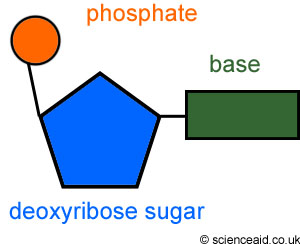
· nucleotide: small organic compound with deoxyribose (a five-carbon sugar), a nitrogenous base, and a phosphate group.
· thymine: a nitrogen-containing base; one of the nucleotides in DNA (not in RNA).

· x-ray diffraction image: pattern that forms on film exposed to x-rays that have been directed at a molecule; reveals positions of atoms, not the molecular structure.

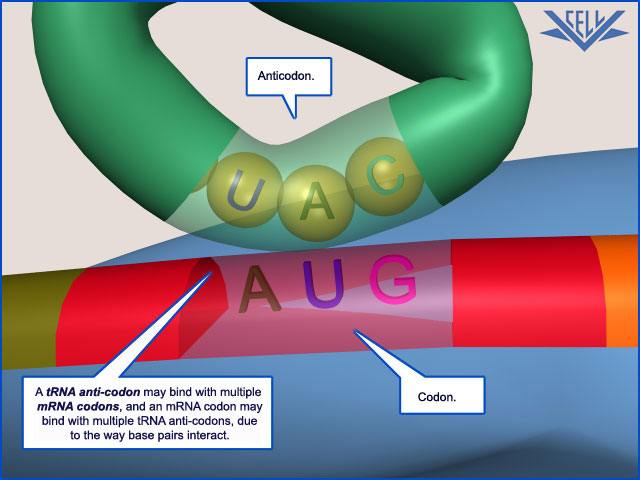
· anticodon: series of three nucleotide bases in tRNA; can base-pair with an mRNA codon.
· base sequence: sequential order of bases in a DNA or RNA strand.

· base-pair substitution: one amino acid has replaced another during protein synthesis.

· carcinogen: any substance or agent that can trigger cancer.
]

· codon: one of 64 possible base triplets in an mRNA strand. A code word for an amino acid in a polypeptide chain; a few codons also act as START or STOP signals for translation.

· deletion: loss of a segment from a chromosome. At molecular level, loss of one to a few base pairs from a DNA molecule.

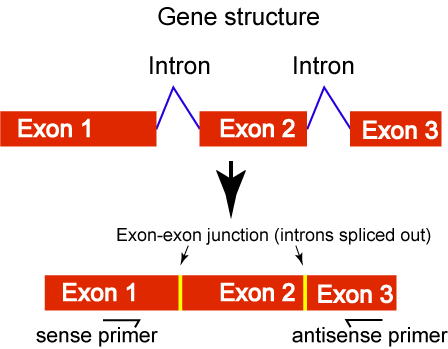
· exon:one of the base sequences of an mRNA transcript that will become translated.
· gene mutation: a small-scale change in the nucleotide sequence of a DNA molecule.
· genetic code: the correspondence between nucleotide triplets in DNA (then mRNA) and specific sequences of amino acids in a polypeptide chain.

· insertion: insertion of one to a few bases into a DNA strand. Also, a movable attachment of muscle to bone.
· intron: a noncoding portion of a pre-mRNA transcript; excised before translation.

- Ionizing radiation: High-energy wavelengths.

· mRNA (messenger RNA): a single strand of ribonucleotides transcribed from DNA, then translated into a polypeptide chain. The only RNA encoding protein-building instructions.

· mutation rate: of a gene locus, the probability that a spontaneous mutation will occur during or between DNA replication cycles.
